A Familiar Headline With Real-Life Consequences
Interest-rate news can sound like it belongs only to economists and traders in expensive suits. Then a credit-card statement arrives, a car loan is quoted, or a savings account changes its rate, and it suddenly becomes personal. On August 28, 2026, Federal Reserve Chair Kevin Warsh said the central bank would have work to do if it could not gain confidence that inflation was moving clearly and quickly toward its 2% goal. He did not announce a rate increase, but the comments made investors take the possibility much more seriously. The Associated Press reported that futures markets moved toward roughly even odds of a hike at the Fed's September meeting.
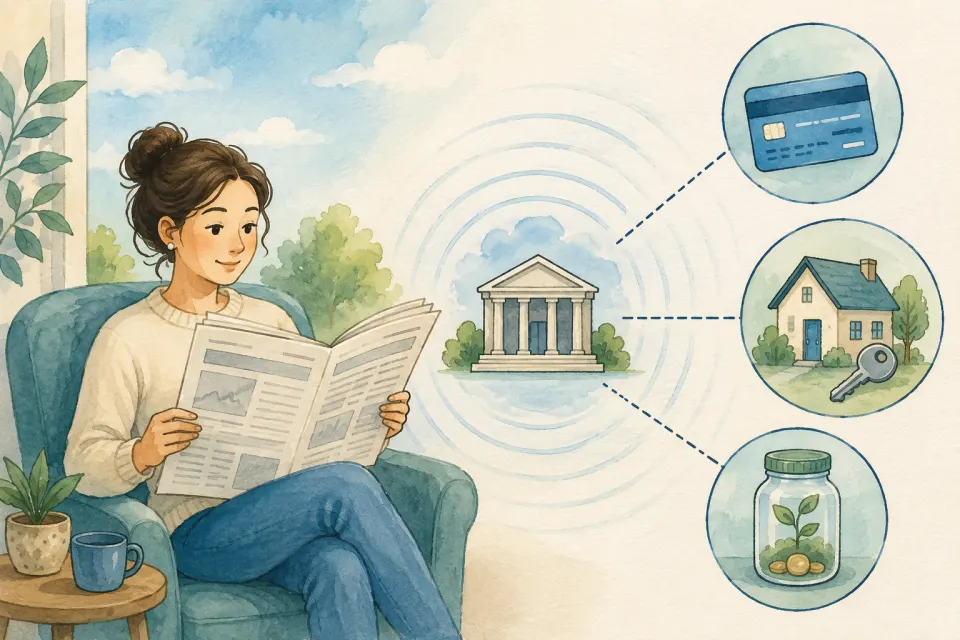
That is the headline. The more useful question is what it actually means. A Fed rate hike is not an automatic increase in every bill, and it is not a signal that anyone should panic or overhaul a sensible financial plan. It is a change to one very important benchmark rate. That change can make borrowing more expensive, make saving more rewarding, cool spending across the economy, and gradually reduce inflation pressure. The effects are real, but they travel at different speeds and hit different households in different ways.
What The Fed Rate Actually Is
The rate people mean when they say the Fed rate is usually the federal funds rate. It is the short-term interest rate banks charge one another for overnight loans of reserve balances. That may sound far removed from a grocery budget, but it works a bit like the starting point for the price of money throughout the financial system. The Federal Reserve explains that changes in its target range influence other short-term interest rates, which then affect the spending decisions of households and businesses.
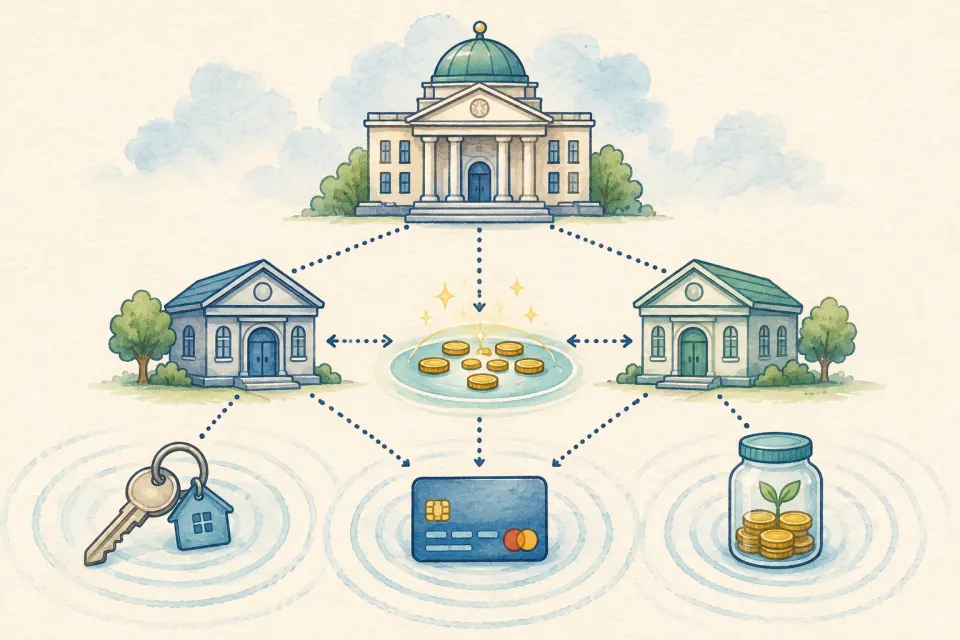
The Fed does not walk into your bank and order it to charge a specific mortgage, credit-card, or auto-loan rate. Lenders set those rates based on many things: the Fed, bond markets, competition, the type and length of the loan, a borrower's credit profile, and their own costs. Still, when the Fed changes course, lenders and markets usually take notice. Think of the federal funds rate less as a price tag on your loan and more as a powerful current in the water. It may not move every boat by the same amount, but it changes the direction in which the system is being pushed.
Why Would The Fed Raise Rates?
The Fed's job is not to make borrowing cheap at all times. Congress has given it two broad goals: maximum sustainable employment and stable prices. When inflation is running too hot, the Fed can raise rates to make it more appealing to save and more costly to borrow. If enough people and businesses slow down purchases, hiring, expansion, and investment, demand can cool. In theory, that makes it harder for prices to keep rising as quickly.
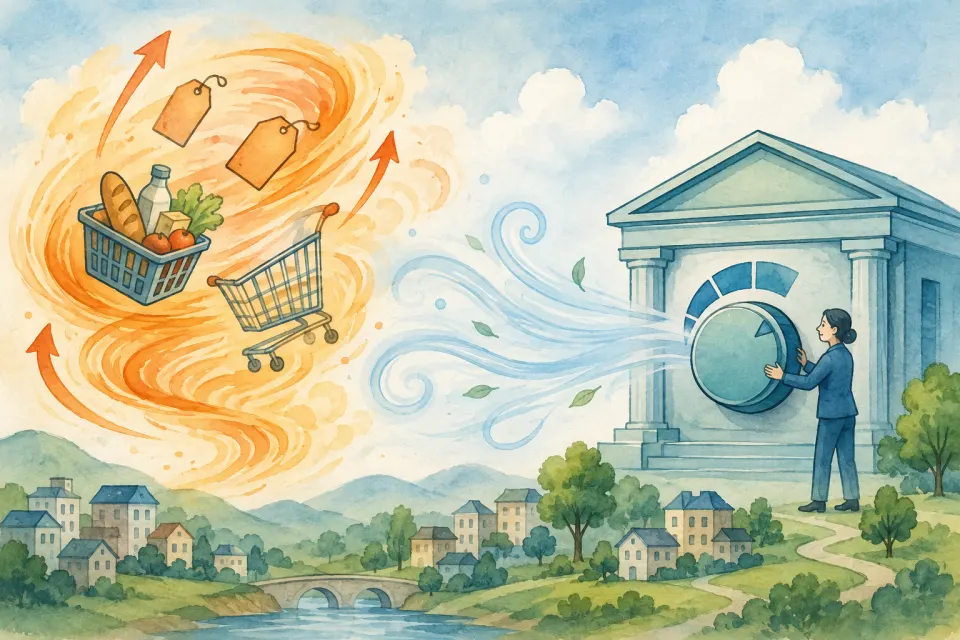
There is no painless dial that removes inflation without affecting anything else. Higher rates can slow price growth, but they can also make it tougher for households to finance a car or home and tougher for businesses to fund expansion. If policy becomes too restrictive for too long, economic growth and employment can suffer. If the Fed acts too little, inflation can become more entrenched. That trade-off is why a short phrase in a Fed speech can move bond prices, stocks, currencies, and people's expectations all at once.
What A Hike Could Mean For Your Wallet
For borrowers, a hike matters most when a rate can reset or when a new loan is needed. The Consumer Financial Protection Bureau notes that existing variable-rate products can become more expensive when the Fed raises rates, and new loans often cost more as well. That can show up relatively quickly in a variable-rate credit-card balance, a home-equity line of credit, or some adjustable-rate loans. A fixed-rate mortgage is different: if you already have one, its interest rate and principal-and-interest payment do not change just because the Fed moves. A future mortgage refinance or home purchase, however, may be affected by the broader rate environment.
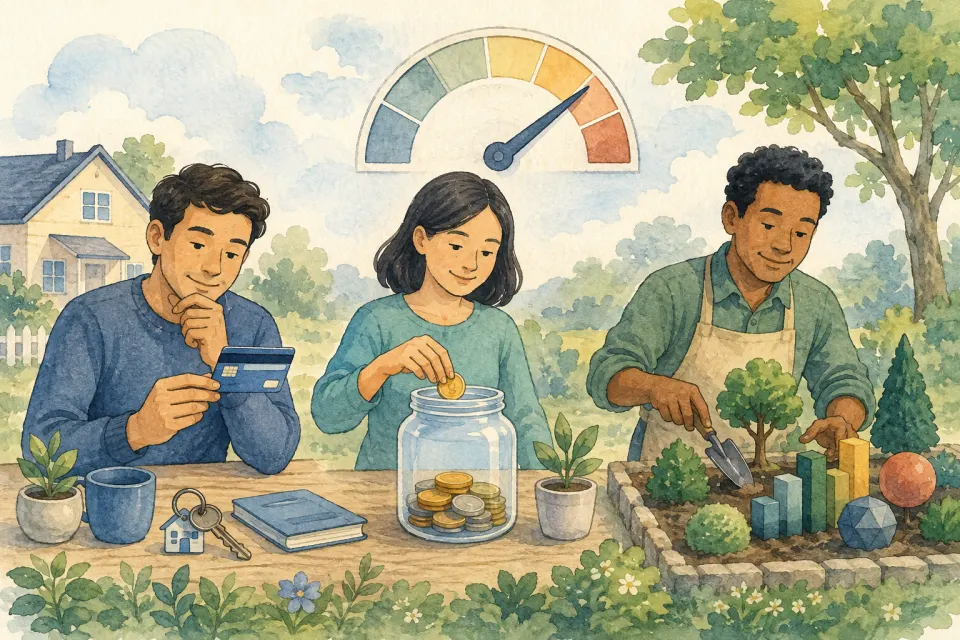
For savers, higher rates can be welcome news. Banks and credit unions may offer better yields on savings accounts, certificates of deposit, and some cash-like products. But the word may matters. Institutions do not all move at the same pace, and a higher advertised rate does not automatically make every savings product competitive. It is worth comparing annual percentage yield, account fees, minimum-balance rules, insurance coverage, and whether a promotional rate will expire. The best rate is useful only if the account still fits your needs.
For investors, the answer is not as simple as rates up means stocks down. Higher rates can pressure stock valuations because future profits are worth less when investors have safer ways to earn a return. They can also squeeze companies that rely on borrowing. At the same time, a rate hike may signal that the economy is still strong enough for the Fed to worry about inflation. Stocks, bonds, and retirement accounts can move sharply around rate news, but a single Fed meeting is rarely a good reason to abandon a diversified plan built around a long time horizon.
The Changes Do Not All Arrive At Once
Credit-card rates and other variable borrowing costs can react fairly fast. Savings rates may follow more slowly and unevenly. Mortgage rates have their own rhythm because they are tied more closely to longer-term bond yields and expectations about future inflation and Fed policy, not just to the next Fed decision. The rate on a 30-year mortgage can rise or fall before the Fed acts if markets change their minds about what the Fed will do later.
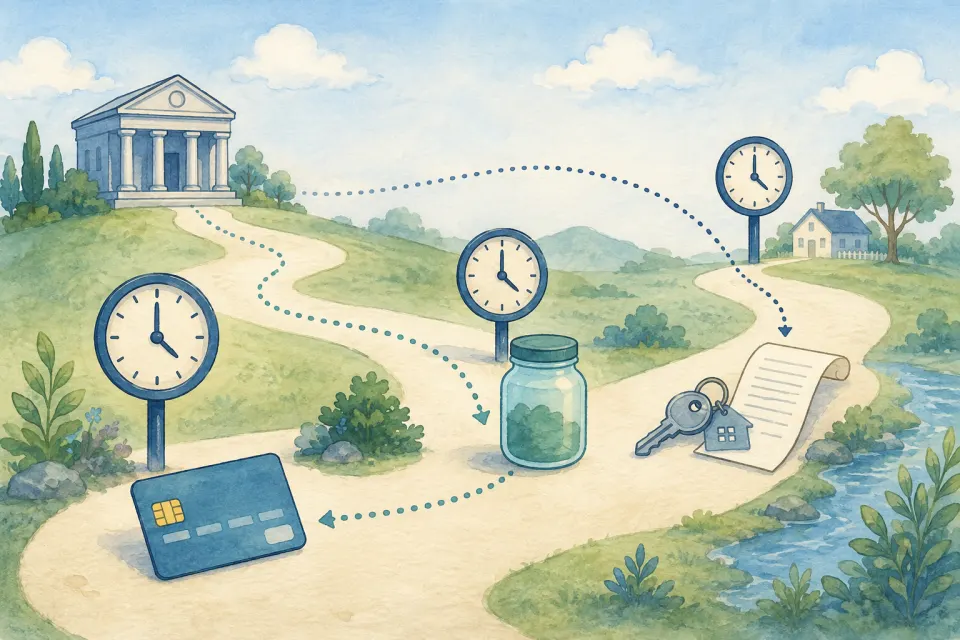
The economic effect also takes time. A person deciding against a new car this month does not instantly change the national inflation rate. Businesses may take quarters, not days, to change hiring or investment plans. That lag is one reason the Fed focuses so intensely on incoming data and does not promise a simple, mechanical path. A possible hike in September is still a possibility, not a certainty, and any decision will depend on the picture policymakers see at the time.
A Calm Way To Respond
The practical response to higher-rate talk is usually less dramatic than the headlines make it feel. If you carry high-interest, variable-rate debt, know the current annual percentage rate, the balance, and the minimum payment. A debt-payoff plan can show how additional payments might reduce interest, while an emergency fund can make it less likely that a surprise expense goes straight onto a credit card. If you expect to borrow soon, compare offers rather than assuming every lender has the same rate, and make sure the payment works even if your budget gets tighter.
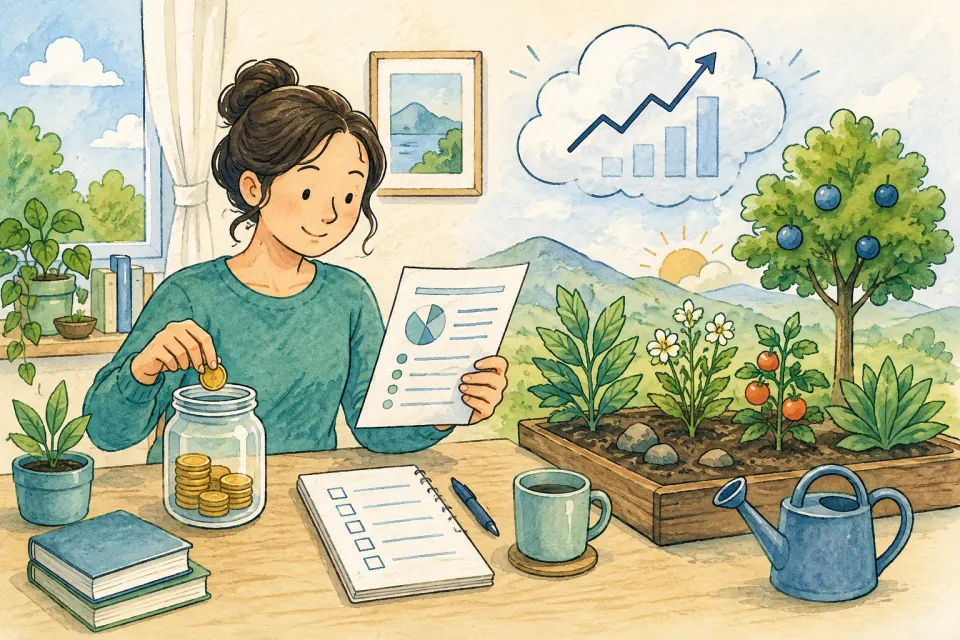
If you are saving, review where your cash is held and what it earns. If you are investing for years rather than days, revisit your risk tolerance and asset allocation instead of trying to trade every central-bank comment. The important takeaway is not to predict the Fed perfectly. It is to understand which parts of your financial life have a floating rate, leave room in your budget for change, and make decisions from a plan instead of a panic.
Sources
- Keynote remarks by Chairman Warsh at the 2026 Jackson Hole Economic Policy Symposium Federal Reserve Board
- Fed Chair Warsh signals rate hikes may be needed with US inflation stubbornly elevated Associated Press
- Economy at a Glance: Policy Rate Federal Reserve Board
- The Fed is raising interest rates. What does that mean for borrowers and savers? Consumer Financial Protection Bureau
- Why Do Interest Rates Matter? Federal Reserve Board
- Federal Reserve rate hike
- federal funds rate
- interest rates
- inflation
- credit card interest
- mortgage rates
- savings rates
- personal finance
- economy explained
- Fed meeting