
Bitcoin Is Back In The Conversation
Bitcoin has a way of going quiet just long enough for people to declare it finished, and then suddenly it becomes the loudest asset in the room again. In late August 2026, Bitcoin was trading near the $79,000 area according to CoinMarketCap, a sharp recovery from the weakness that had pulled it below $60,000 near the end of June. That kind of move gets attention because it changes the mood fast. People who ignored Bitcoin during the slump start asking whether the bottom is in. Traders who were betting against it start scrambling. Long-term holders begin wondering whether the next cycle is waking up.
The important thing is context. A rally from the lows does not mean Bitcoin is magically safe, and it does not mean it has already returned to its strongest point. CoinMarketCap still showed Bitcoin well below its October 2025 all-time high above $126,000. So the story is not simply that Bitcoin is at a new record. The story is that BTC has climbed out of a painful range and forced investors to pay attention again. That is often where the most interesting part of a market begins, because the debate shifts from fear to possibility.
What Bitcoin Actually Is
Bitcoin is a digital asset that runs on a decentralized network instead of being controlled by a bank, company, or government. The original Bitcoin paper described a peer-to-peer electronic cash system, meaning people could transfer value directly across a network without needing a traditional financial institution to approve every transaction. In simple terms, Bitcoin is software, money, and a public record book all wrapped together. The public record book is the blockchain, and the network is maintained by participants around the world.

Bitcoin is also scarce by design. Its maximum supply is capped at 21 million coins, which is one reason investors often compare it with hard assets. That does not mean Bitcoin is the same as gold or that it must rise over time. It means the supply rules are different from dollars, stocks, or bonds. Some people buy Bitcoin because they believe scarcity, open access, and decentralization will matter more in the future. Others trade it because it moves quickly. Those are very different reasons, and confusing them is where many people get into trouble.
Why Bitcoin Rose From The Lows
The recent Bitcoin rally appears to have come from several forces arriving at the same time. AP reported that Bitcoin had been stuck between roughly $62,000 and $67,000 for weeks before breaking higher. The move was helped by a weaker dollar, concerns about debt and inflation, renewed interest in alternative assets, and a surprise Treasury bond-buyback announcement that changed how investors were thinking about yields and liquidity. When investors worry that cash is losing strength, assets with scarce supply stories can suddenly look more attractive.
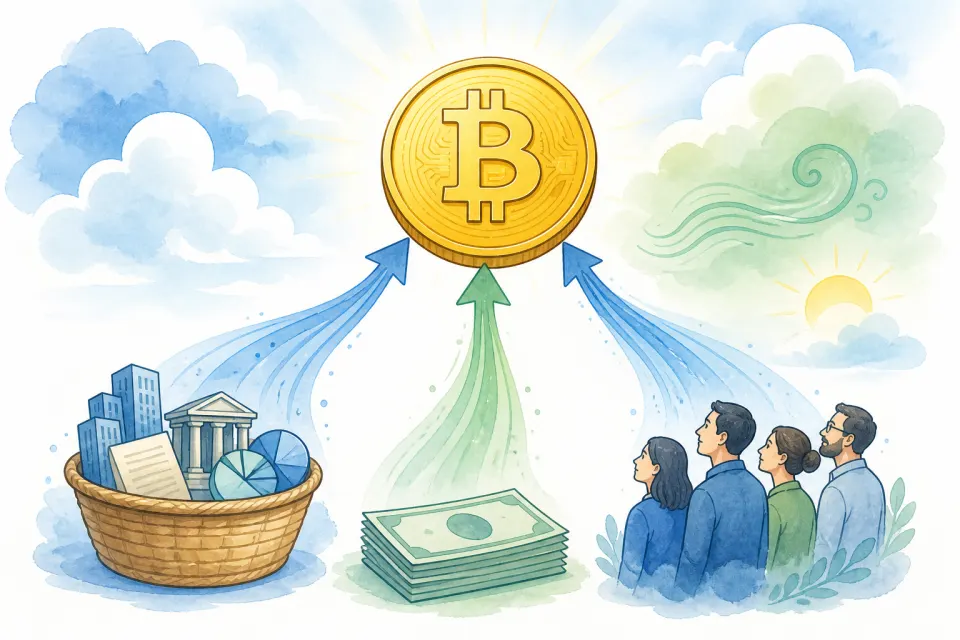
Another major driver was the return of institutional interest through spot Bitcoin ETFs. Investopedia reported that Bitcoin ETFs saw five consecutive days of inflows totaling nearly $2 billion, while Citi commentary described ETF flows as a key catalyst to watch. ETF buying matters because it can turn Bitcoin from a niche crypto trade into something more accessible for brokerage accounts, retirement-adjacent portfolios, and larger asset managers. Add in short-covering, where traders betting against Bitcoin are forced to buy it back as price rises, and the rally becomes easier to understand. It was not one spark. It was dry wood, wind, and a match at the same time.
The Price Levels Traders Are Watching
The first level that mattered was the old ceiling near the upper $60,000s. When Bitcoin pushed through that area, the tone changed from quiet recovery to breakout attempt. After that, the next psychological level became $80,000. Big round numbers matter in markets because they are easy for everyone to see. They attract headlines, trading decisions, stop losses, profit taking, and fresh speculation. That does not make them magic, but it does make them important.
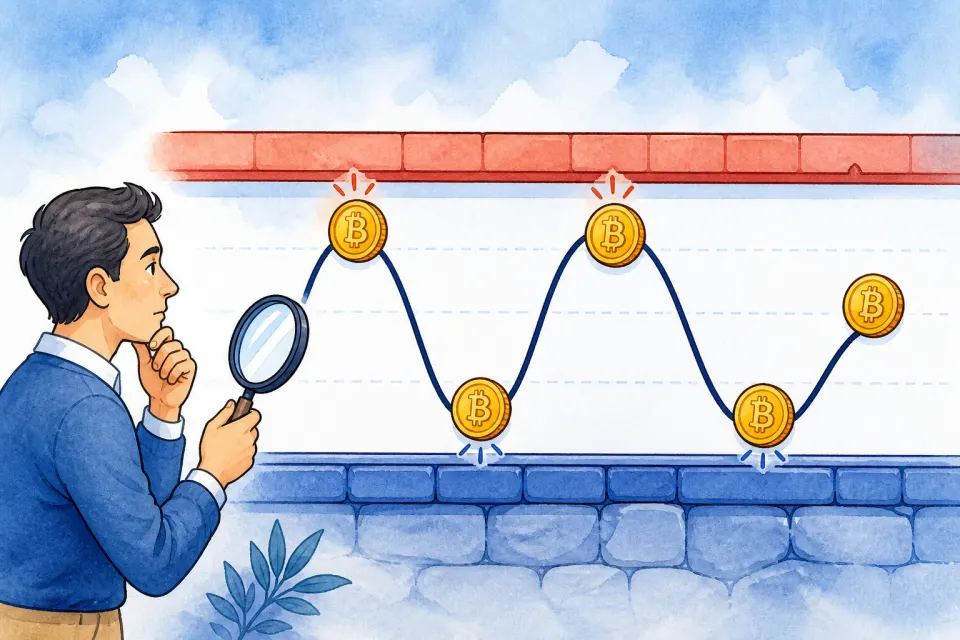
From here, traders are likely watching whether Bitcoin can hold the upper-$70,000 range and keep attacking the $80,000 area. Holding that zone would suggest the rally is being supported by real demand rather than only a short squeeze. Losing it quickly would suggest the move may have run too far too fast. The bigger long-term markers are still the prior 2026 highs and the October 2025 record above $126,000. A serious bull market would eventually need to prove it can move toward those levels again. A failed rally would probably send attention back to whether buyers defend the old breakout area closer to the high-$60,000s.
Where Bitcoin Could Move Next
The bullish case for Bitcoin is straightforward. If ETF inflows continue, if U.S. crypto rules become clearer, if the dollar remains under pressure, and if investors keep looking for scarce assets, Bitcoin could keep grinding higher. A move like that would probably not happen in a straight line. Bitcoin often rises in bursts, pauses, scares people, and then decides whether the next leg has enough demand behind it. That is why many Bitcoin price forecasts sound exciting but age badly. The direction matters, but the path can be violent.

The bearish case is just as important. If ETF demand fades, if inflation keeps rates high, if regulation disappoints, or if traders decide the rally was mostly forced buying from short liquidations, Bitcoin can reverse quickly. The same volatility that makes Bitcoin captivating on the way up can feel brutal on the way down. A reasonable Bitcoin outlook should leave room for both outcomes: more upside if demand keeps building, and sharp downside if the current excitement turns into profit taking.
The Part Investors Cannot Ignore
The biggest mistake is treating Bitcoin like a guaranteed path to wealth. It is not. Investor.gov warns that crypto assets can carry very different risks, and the SEC has specifically cautioned that Bitcoin-related investments can be volatile, vulnerable to fraud, and unlike insured bank deposits. Bitcoin can be a fascinating asset, a serious technology, a macro trade, and a speculation all at once. That is exactly why it deserves careful thought instead of blind excitement.
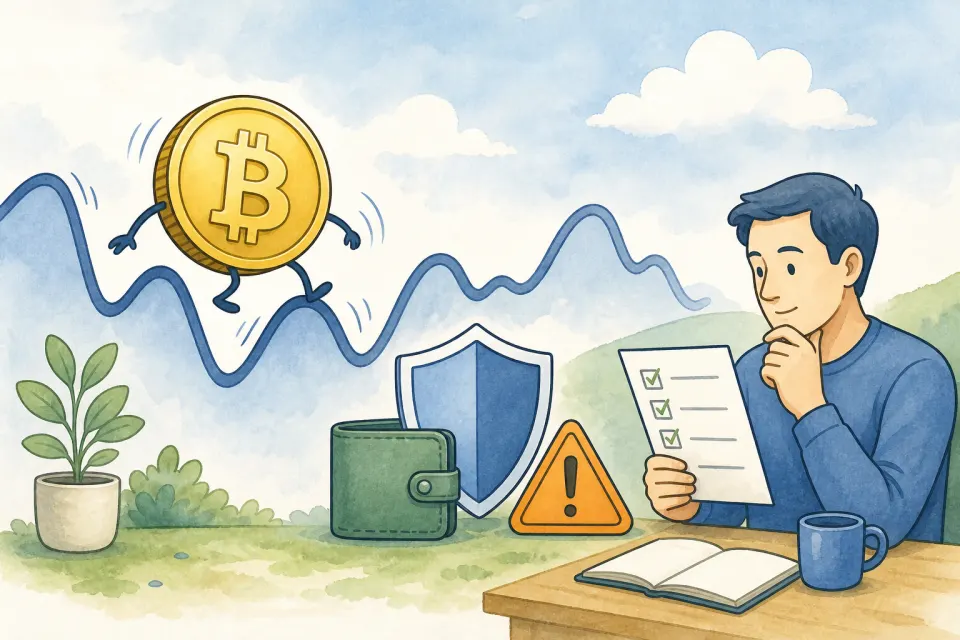
If you are interested in Bitcoin, start with the basics. Understand what it is, why people value it, how wallets and exchanges work, what an ETF does and does not protect you from, and how much volatility you can actually handle. Do not build a plan around a headline price target. Build it around risk, time horizon, position size, and whether losing money would damage your real life. Bitcoin may keep rising, or it may disappoint everyone who arrives late. The smarter move is to stay curious without letting the rally do your thinking for you.

Sources
- Bitcoin price today, BTC to USD live price, marketcap and chart CoinMarketCap
- How bitcoin and gold went from a slump to an MVP week in just a few days Associated Press
- Bitcoin ETF Inflows Return, Hinting at a Potential Sustained Rally Investopedia
- Bitcoin: A Peer-to-Peer Electronic Cash System Bitcoin.org
- Crypto Assets Investor.gov
- Investor Alert: Bitcoin and Other Virtual Currency-Related Investments Investor.gov
- Statement on the Approval of Spot Bitcoin Exchange-Traded Products U.S. Securities and Exchange Commission
- bitcoin price
- bitcoin rally
- bitcoin forecast
- bitcoin prediction
- BTC price action
- bitcoin ETF inflows
- crypto investing
- bitcoin lows
- digital assets
- cryptocurrency risk