
Options Became Retail Trading's Biggest Conversation
For a long time, options sounded like something only Wall Street professionals used. Today, they are built into the same trading apps that make buying a stock feel as easy as ordering takeout. That change has made options a major part of the retail-trading conversation. Cboe, one of the largest options-market operators, said U.S. options markets averaged about 61 million contracts a day in 2025. Its markets handled a record 4.6 billion contracts for the year. A Vanda Research estimate cited by the Associated Press put retail options activity at roughly $650 billion in 2025.

Why the rush? Options can offer a lower upfront price than buying 100 shares of a stock outright. They can also be used to bet on a move up, a move down, or—in some strategies—reduce a risk an investor already has. That flexibility is real. So is the catch: an option has a deadline, its value can change much faster than the stock, and a small purchase price does not mean a small risk. Easy access made the tool popular; it did not make the tool simple.
GameStop And AMC Turned Options Into A Mainstream Story
The frenzy around GameStop and AMC in early 2021 was a turning point in public attention. Millions of people watched prices jump, social posts spread, and trading apps become part of a national news story. Options were part of that environment. The New York Stock Exchange reported that average daily options volume in AMC, BlackBerry, GameStop, and Nokia rose from about 68,000 contracts in the last quarter of 2020 to more than 426,000 contracts in the first quarter of 2021—a 523% increase.

It is tempting to turn that episode into one neat story: retail traders bought calls, market makers bought stock, and the price had to rise. Real markets are messier. The SEC's staff report found that GameStop's January 2021 trading involved unusually high retail interest, short selling, buying, selling, and options activity, but it did not find evidence that a gamma squeeze was the main cause of the price move. The useful lesson is not that options can magically force a rally. It is that options can intensify attention and can interact with a crowded, fast-moving market in ways that are difficult to predict.
Options, Explained Without The Wall Street Vocabulary
An option is a contract, not a share of stock. It gives its buyer a choice: the right, but not the obligation, to buy or sell an underlying investment at a set price before a set date. Think of it as paying for a limited-time reservation. You are not buying the house, car, or concert ticket itself. You are paying for the ability to make a specific move later if it makes sense.
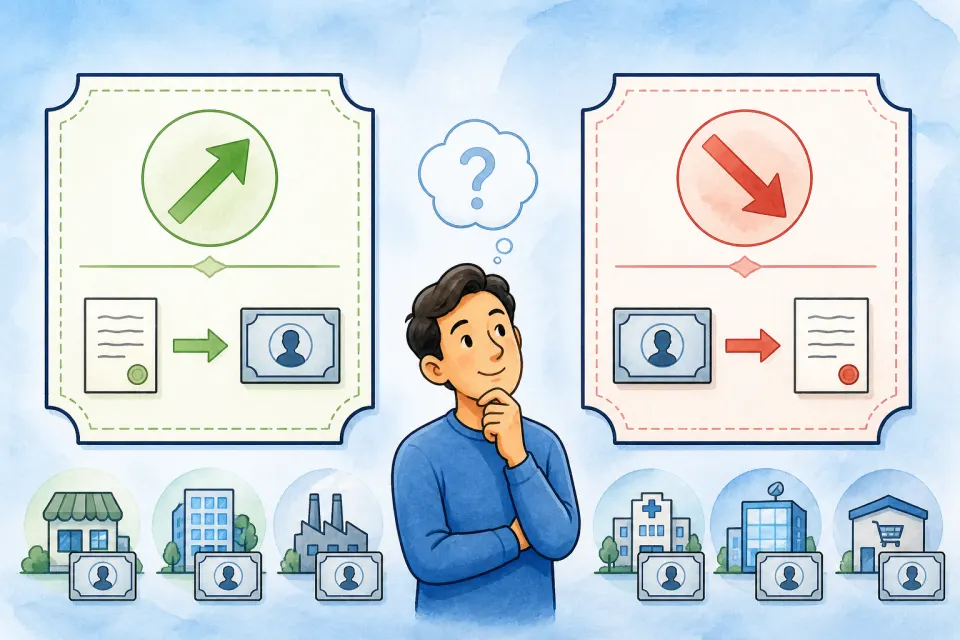
There are two basic kinds. A call gives the buyer the right to buy the underlying investment at the agreed price. People often buy calls when they think the price could go up. A put gives the buyer the right to sell at the agreed price. People often buy puts when they think the price could fall or when they want protection against a fall. Standard equity options usually represent 100 shares, though investors should check the contract because adjustments and product rules can matter.
The Four Moving Parts Of Every Option
Options are much easier to understand once you know the four moving parts. First is the underlying investment: the stock, ETF, or index connected to the contract. Second is the strike price: the price at which the contract lets the buyer buy or sell. Third is the expiration date: the last day the contract can be used or traded. Fourth is the premium: what the buyer pays for the contract.

Here is a plain example. Imagine a stock is at $50. You buy a call that gives you the right to buy at $55 before a certain date, and you pay a $2 premium per share. Because one standard contract commonly represents 100 shares, that premium would cost $200 before commissions or fees. If the stock does not rise enough before time runs out, the option can lose value even if you were broadly right that the company was good. For a buyer, timing and the size of the move matter just as much as direction.
Why Options Can Feel Powerful—and Why They Can Hurt
Options feel powerful because they can magnify a move. A relatively small change in a stock can create a much larger percentage change in an option's price. That is called leverage. The same leverage works in both directions. A contract can gain quickly, but it can also lose most or all of its value quickly. FINRA warns that an option buyer can lose the entire premium paid. For some option-selling strategies, losses can be much larger than the money received upfront.
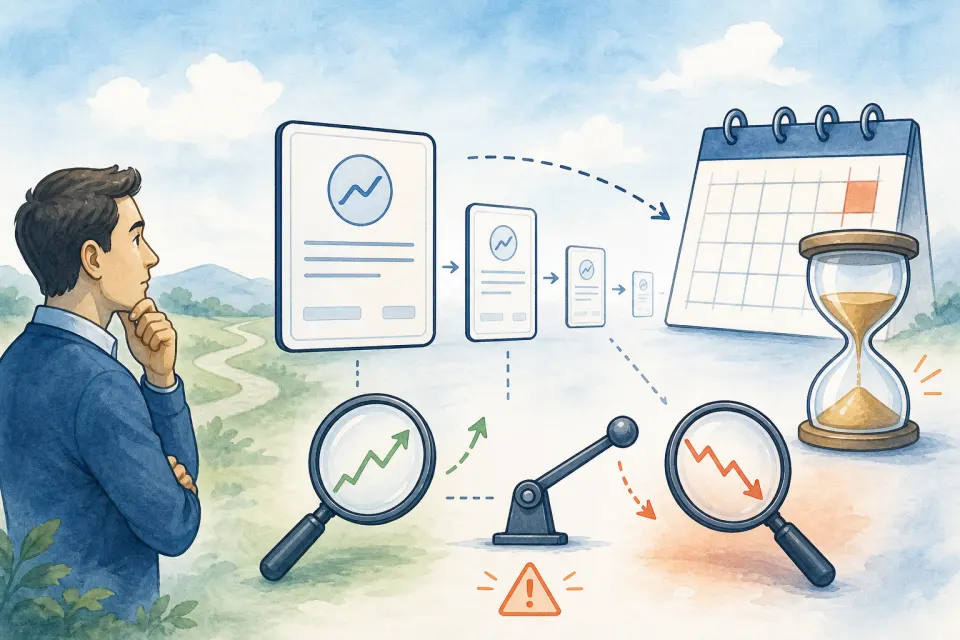
Then there is time decay. Unlike a stock, an option has an expiry date, so its clock is always running. All else equal, an option generally loses time value as expiration gets closer. News and uncertainty can matter too: when traders expect a big move, option premiums often become more expensive. That expectation is called implied volatility. A trader can correctly guess the direction of a stock and still lose money if the move is too small, comes too late, or the premium was too expensive.
The Better Lesson From The Options Boom
The rise of retail options trading is not just a story about speculation. Options can be legitimate tools for sophisticated investors who understand the contract, the possible outcomes, and the downside. But they are not a shortcut around the hard work of building wealth. An exciting screenshot online does not show the full trade, the losses that came before it, or the risks that remain.

For a beginner, the sensible first question is usually not “Which option should I buy?” It is “Do I understand exactly how much I could lose, what has to happen before the deadline, and why I am making this trade?” The OCC says anyone considering options should read the Characteristics and Risks of Standardized Options disclosure document. Start with a diversified foundation, learn with examples instead of urgency, and treat any option trade as a decision that needs a clear risk limit—not as a lottery ticket. This article is educational, not personal investment advice.
Sources
- Staff Report on Equity and Options Market Structure Conditions in Early 2021 U.S. Securities and Exchange Commission
- Surging Interest & Market Quality: Options Trading in the Time of Memes NYSE Data Insights
- The State of the Options Industry 2025 Cboe
- Retail investors are driving markets and taking bigger risks Associated Press
- An Introduction to Options SEC Investor.gov
- Options: The Basics and the Greeks FINRA
- Characteristics and Risks of Standardized Options The Options Clearing Corporation
- options trading
- retail options trading
- options trading explained
- call options
- put options
- GameStop options
- AMC options
- meme stock rally
- options risk
- time decay